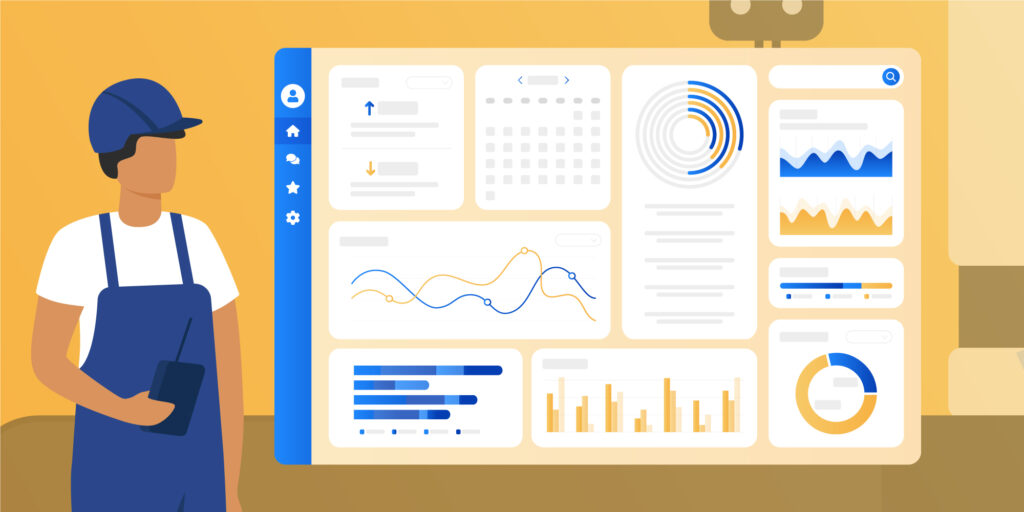
In the fast-paced world of manufacturing, managing complex sales cycles, long-term client relationships, and multiple channels of communication requires more than just traditional business tools. CRM for manufacturing has become essential for manufacturers aiming to streamline operations, enhance customer engagement, and increase profitability.
A tailored Customer Relationship Management (CRM) system designed specifically for manufacturing companies empowers teams to handle everything from lead generation to after-sales support with precision and efficiency. This article delves deeply into how CRM software can transform manufacturing businesses, detailing the core features, benefits, and best practices to maximize ROI.
What Is CRM for Manufacturing?
A CRM for manufacturing is a specialized software platform that helps manufacturing businesses manage interactions with clients, distributors, suppliers, and internal teams. Unlike generic CRM systems, manufacturing CRMs are built to address unique challenges such as managing long sales cycles, handling complex product configurations, and coordinating with multiple stakeholders across the supply chain.
These systems centralize customer data, sales pipelines, and communication channels to provide a 360-degree view of customer interactions, orders, and production status.
Why Manufacturing Companies Need CRM
Manufacturers operate in an environment where timely order fulfillment, accurate forecasting, and customer satisfaction are critical to maintaining competitive advantage. CRM software supports these objectives by:
- Centralizing customer and prospect information for better decision-making
- Automating repetitive tasks like follow-ups and order tracking
- Enhancing collaboration between sales, production, and customer service teams
- Improving customer retention through proactive communication
- Streamlining quote and order management processes
Core Features of CRM for Manufacturing
1. Lead and Opportunity Management
- Track leads from various sources: trade shows, website inquiries, distributors, and referrals
- Manage complex B2B sales pipelines with multiple stages and stakeholders
- Forecast sales and identify bottlenecks early in the sales cycle
2. Customer and Contact Management
- Store detailed information about clients, including purchase history, payment terms, and product preferences
- Maintain relationships with multiple contacts within client organizations (procurement, engineering, management)
3. Quotation and Order Management
- Generate accurate and customized quotes based on product configurations and pricing rules
- Track orders through production, shipping, and delivery stages
- Integrate with ERP and inventory systems for real-time order status
4. Production and Supply Chain Coordination
- Link customer orders with production schedules to ensure timely manufacturing
- Monitor supplier and vendor performance related to customer commitments
- Coordinate across departments to manage lead times and capacity constraints
5. Customer Service and Support
- Track service requests, warranty claims, and maintenance contracts
- Automate communication for post-sale support and upselling opportunities
- Provide customers with self-service portals to check order status and submit requests
6. Analytics and Reporting
- Measure sales performance by region, product line, or sales rep
- Analyze customer buying patterns to inform production and inventory planning
- Monitor key KPIs like order cycle time, customer satisfaction, and repeat business rates
Benefits of CRM in Manufacturing
✅ Improved Sales and Forecast Accuracy
Manufacturers can leverage CRM data to forecast demand accurately, helping reduce overproduction and inventory costs while increasing sales conversion rates.
✅ Enhanced Customer Experience
CRM allows manufacturers to deliver personalized service, respond faster to inquiries, and proactively manage service issues, boosting client satisfaction and loyalty.
✅ Streamlined Collaboration
By connecting sales, production, and service teams, CRM fosters seamless communication and alignment, reducing errors and improving fulfillment timelines.
✅ Data-Driven Decision Making
Comprehensive reports and dashboards enable leadership to make informed strategic decisions based on real-time customer and operational insights.
✅ Increased Operational Efficiency
Automation of routine tasks such as quote generation, follow-ups, and order tracking frees up valuable time for sales and production teams.
Use Cases: CRM Transforming Manufacturing Processes
| Scenario | How CRM Helps |
|---|---|
| Sales rep receives a lead from a trade show | CRM captures lead details, assigns to regional sales rep, and schedules follow-up |
| Customer requests a complex product quote | CRM auto-generates quote based on configurable product rules and pricing tiers |
| Production manager checks order backlog | CRM integrates with ERP to provide real-time status of pending orders and deadlines |
| Customer reports a service issue | CRM logs the request, alerts support team, and tracks resolution status |
| Executive reviews monthly sales trends | CRM dashboard highlights top-performing products and regions for strategic focus |
Top CRM Software for Manufacturing
1. Salesforce Manufacturing Cloud
- Industry-tailored CRM with advanced forecasting and account-based sales
- Strong integration with ERP and supply chain platforms
- AI-driven insights and automation for enhanced productivity
2. Microsoft Dynamics 365
- Robust CRM and ERP combined platform suitable for manufacturing enterprises
- Customizable workflows and real-time data analytics
- Seamless integration with Office 365 and Azure cloud services
3. HubSpot CRM with Manufacturing Add-ons
- Easy-to-use CRM with marketing automation and customer support modules
- Ideal for small to medium manufacturers seeking growth
- Integrates with popular ERP and production tools
4. Pipedrive
- Sales-focused CRM with pipeline visibility and automation
- Simple interface tailored for manufacturing sales teams
- Customizable to manage quotes, orders, and follow-ups efficiently
5. Zoho CRM for Manufacturing
- Affordable, customizable CRM with extensive automation features
- Supports inventory and order management through integrations
- Scales well from small manufacturers to larger enterprises
How to Choose the Right CRM for Your Manufacturing Business
🔹 Assess Your Business Size and Complexity
- Small manufacturers may prioritize ease of use and cost-efficiency
- Larger enterprises will require robust integrations and customization options
🔹 Evaluate Integration Capabilities
- Ensure the CRM integrates seamlessly with existing ERP, inventory, and accounting systems
🔹 Prioritize Industry-Specific Features
- Look for tools supporting complex quoting, multi-tier customer contacts, and production scheduling
🔹 Consider Scalability and Support
- Choose a CRM that can grow with your business and offers reliable vendor support
Future Trends: CRM and Manufacturing Innovation
The manufacturing sector is on the brink of a CRM-driven revolution with advancements including:
- AI-powered demand forecasting and sales recommendations
- IoT integration for real-time production and delivery tracking
- Enhanced customer self-service portals with AI chatbots
- Augmented reality (AR) for remote customer support and product demos
- Blockchain-based supply chain transparency
Manufacturers adopting these technologies early will benefit from higher agility, improved customer trust, and sustained competitive advantage.
Conclusion
A CRM for manufacturing is more than just a database—it’s a strategic tool that drives sales efficiency, operational coordination, and superior customer service. By unifying sales, production, and service data, manufacturers can respond faster, forecast smarter, and build stronger, longer-lasting customer relationships.
In an industry where margins are tight and customer expectations are rising, investing in the right CRM system can be the difference between growth and stagnation.
Sponsored Link