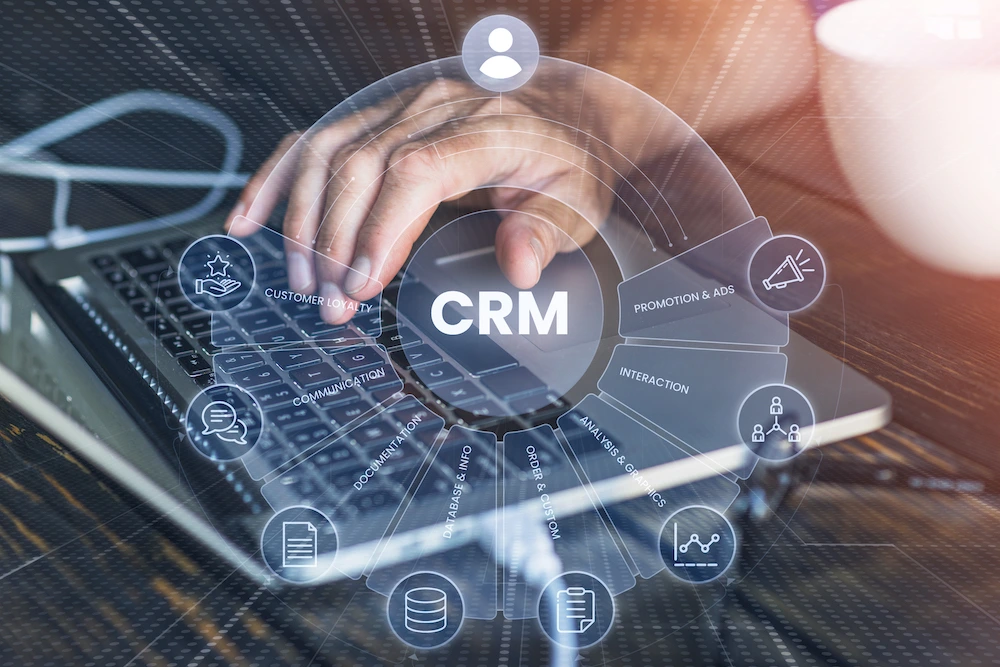
In today’s highly competitive digital economy, understanding your customer is more than a strategic advantage—it’s a business imperative. CRM (Customer Relationship Management) systems have become the backbone of modern business operations, offering powerful tools for managing customer data, nurturing leads, and fostering long-term loyalty.
This guide explores the concept of the CRM customer, how businesses can optimize CRM systems to drive engagement and revenue, and what it means to build a truly customer-centric organization through data and technology.
What is a CRM Customer?
A CRM customer refers to any individual or business whose relationship with a company is tracked and managed through a Customer Relationship Management system. From the moment a visitor becomes a lead, through the sales funnel, and into post-sale support, their entire journey is documented and managed within the CRM.
This allows businesses to:
- Understand customer behavior
- Personalize interactions
- Forecast needs
- Increase customer satisfaction and retention
A CRM customer is not just a data point—they are the center of your business strategy.
Key Benefits of Managing Customers Through CRM
1. Centralized Customer Information
CRM platforms store all customer data—such as contact details, purchase history, service interactions, and communication preferences—in one place. This makes it easier to access and update customer records across departments.
2. Personalized Communication
CRM software enables highly targeted marketing and sales efforts. You can segment customers by behavior, demographics, or lifecycle stage and deliver personalized messages that resonate.
3. Improved Customer Experience
When a customer contacts your business, your team can instantly access their full history and resolve issues more effectively, boosting satisfaction and loyalty.
4. Increased Sales Efficiency
Sales teams benefit from CRM features such as automated follow-ups, pipeline tracking, and opportunity management. These tools help convert leads faster and close deals more efficiently.
5. Stronger Customer Retention
By analyzing customer data and engagement patterns, businesses can proactively address concerns, offer timely solutions, and prevent churn.
Core Features of CRM Systems That Help Manage Customers
1. Contact and Account Management
Every CRM provides a structured system for managing contact details, company profiles, and hierarchical relationships. This is the foundation for all customer data management.
2. Lead and Opportunity Tracking
From the first point of contact to a finalized deal, CRM systems allow businesses to monitor each stage of the buyer journey and prioritize high-value leads.
3. Email and Communication Integration
CRM platforms integrate with major email providers and communication tools to track messages, schedule appointments, and manage all touchpoints in one place.
4. Customer Segmentation
Grouping customers based on their behavior, industry, or preferences enables hyper-targeted marketing and service campaigns.
5. Workflow Automation
Automated tasks such as sending welcome emails, assigning leads, or following up with inactive customers streamline customer management and save time.
6. Reporting and Analytics
CRM tools provide dashboards and reports that track customer trends, sales performance, and service quality. This data is essential for decision-making.
Types of CRM Customers and How to Engage Them
1. New Leads
Objective: Convert them into paying customers.
- Send welcome emails
- Provide valuable content
- Schedule demo calls
- Use lead scoring to prioritize
2. Active Customers
Objective: Maintain engagement and maximize value.
- Offer loyalty programs
- Recommend relevant products/services
- Provide proactive customer support
- Collect feedback regularly
3. Dormant or At-Risk Customers
Objective: Re-engage and prevent churn.
- Send personalized win-back campaigns
- Offer exclusive discounts
- Reach out via customer success teams
4. VIP or High-Value Customers
Objective: Retain and deepen the relationship.
- Provide dedicated account managers
- Invite to exclusive events
- Offer early access to new products
Best Practices for CRM Customer Management
1. Maintain Clean and Updated Data
Ensure that all customer information is accurate, regularly audited, and free from duplicates. Clean data leads to better targeting and decision-making.
2. Align CRM with Your Sales and Marketing Strategy
Use your CRM to support business objectives. Design workflows, campaigns, and reporting that tie directly into KPIs like customer acquisition cost, LTV, and retention rates.
3. Provide Team Training and Access Control
Make sure all employees understand how to use the CRM effectively. Use role-based permissions to control access to sensitive customer data.
4. Automate Repetitive Processes
Set up automated workflows for common tasks such as follow-up emails, renewal reminders, and survey requests to ensure consistent customer engagement.
5. Integrate CRM With Other Business Tools
Link your CRM to accounting, helpdesk, e-commerce, and marketing platforms to gain a unified view of every customer interaction.
Choosing the Right CRM for Managing Customers
Different CRMs serve different purposes. Consider the following when choosing your platform:
1. For Small Businesses:
- HubSpot CRM – Offers a generous free tier and excellent customer management tools.
- Zoho CRM – Affordable with extensive contact management features.
2. For Medium Businesses:
- Pipedrive – Great for managing pipelines and customer interactions with visual sales dashboards.
- Keap (Infusionsoft) – Combines CRM with marketing automation.
3. For Large Enterprises:
- Salesforce – Industry leader with highly customizable features and advanced analytics.
- Microsoft Dynamics 365 – Seamless integration with Microsoft tools and enterprise workflows.
How CRM Helps in Building Long-Term Customer Loyalty
A CRM system does more than manage contacts—it creates a consistent, high-quality customer experience at every touchpoint. With a well-implemented CRM strategy, businesses can:
- Recognize customer preferences and deliver tailored solutions
- Reward loyalty and incentivize repeat purchases
- Predict future needs through behavior tracking
- Strengthen relationships through timely and relevant engagement
This long-term value is what transforms casual buyers into brand advocates.
Future Trends in CRM Customer Management
As technology evolves, CRM systems are becoming smarter and more intuitive. Here are some key trends shaping the future of CRM customers:
1. Artificial Intelligence (AI)
AI-powered CRMs analyze large volumes of customer data to generate insights, predict outcomes, and automate tasks.
2. Predictive Analytics
CRM platforms are now capable of forecasting customer behavior, helping businesses stay proactive instead of reactive.
3. Omnichannel Experience
Modern CRMs integrate data from email, social media, chat, SMS, and more—offering a seamless experience across all platforms.
4. Mobile CRM
Sales and support teams can access customer data on the go, ensuring timely responses and updates.
5. Customer Self-Service Portals
Empowering customers with access to their data, order history, and support tools improves satisfaction and reduces support costs.
Conclusion
Managing the CRM customer is no longer a back-office function—it’s the heart of business success. From the first touchpoint to long-term loyalty, CRM systems provide the tools and insights needed to serve customers better, faster, and smarter.
Adopting a strategic, customer-first CRM approach is not just about software—it’s about delivering experiences that build trust, satisfaction, and growth.
Sponsored Link